
Sinusitis symptoms can feel similar to a heavy cold at first. When facial pressure, thick mucus and nasal blockage persist or worsen, it may indicate a sinus infection rather than a routine viral illness. Understanding the signs helps you decide when to manage symptoms at home and when to seek specialist advice.
What is sinusitis?
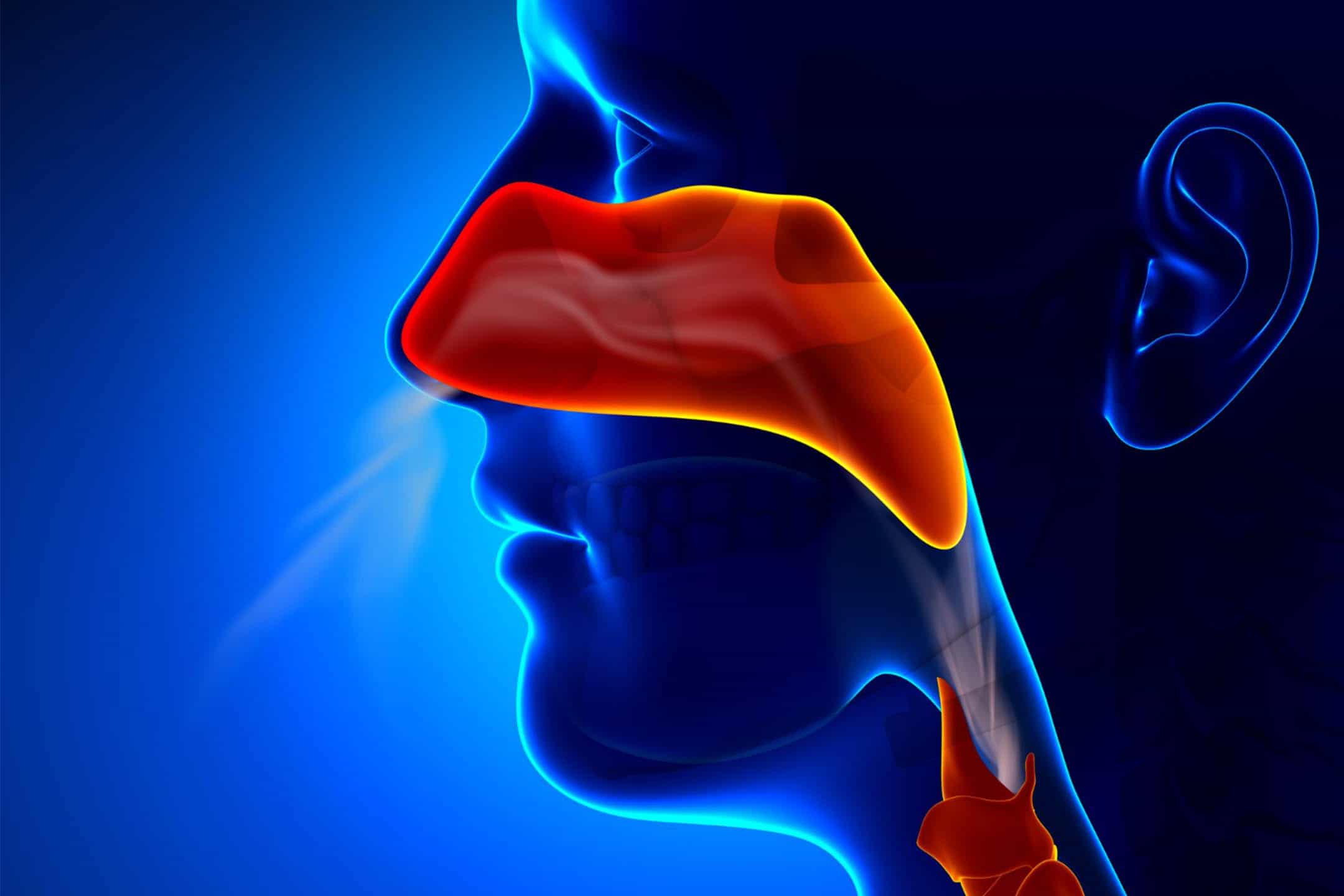
Sinusitis is inflammation of the lining of the paranasal sinuses, which are air filled spaces behind the cheeks, forehead and eyes. When these spaces become blocked with mucus they can fill with fluid, leading to pain pressure and infection. Sinusitis is also commonly called a sinus infection.
According to the NHS, most cases are caused by viral infections and improve without antibiotics.
Symptoms of a sinus infection
A sinus infection usually causes a blocked or runny nose, pain or pressure around the cheeks, eyes and forehead, a reduced sense of smell and thick yellow or green mucus. Some people also develop a headache, high temperature, toothache, bad breath or a cough.
- Blocked or congested nose
- Facial pain or pressure affecting the cheeks eyes or forehead
- Thick yellow or green nasal mucus
- Reduced sense of smell or taste
- Headache and sometimes a high temperature
- Toothache bad breath or a cough
Additional symptoms may include fatigue, ear pressure or a feeling of fullness in the face.
How can you tell if you have a sinus infection?
You likely have a sinus infection if facial pain or pressure, a blocked nose and thick discoloured mucus last more than ten days or if symptoms improve and then get worse again. A common cold usually clears within a week whereas sinusitis tends to linger.
NICE guidance explains that symptoms lasting more than ten days without improvement or worsening after initial recovery should prompt consideration of bacterial sinusitis and possible medical review.
| Symptom | Cold | Sinus infection |
|---|---|---|
| Duration | Usually 7 to 10 days | Often more than 10 days |
| Mucus colour | Clear or watery early on | Thick yellow or green |
| Facial pain | Mild or absent | Common and pressure like |
| Sense of smell | Mild reduction | Markedly reduced |
| Fever | Uncommon in adults | May be present |
Colds are caused by viruses and typically improve steadily. Sinusitis may follow a cold when inflammation prevents normal sinus drainage.

Acute vs chronic sinusitis
Acute sinusitis lasts up to four weeks. Chronic sinusitis lasts more than twelve weeks.
The European Position Paper on Rhinosinusitis and Nasal Polyps defines chronic rhinosinusitis as symptoms persisting for twelve weeks or more.
If symptoms are ongoing and will not settle, this may indicate chronic sinusitis which often requires further investigation.
How long does a sinus infection last?
Acute sinusitis usually clears within two to three weeks. If symptoms last longer than twelve weeks it is classified as chronic sinusitis and should be assessed by an ENT specialist.
The NHS confirms that sinusitis typically clears up on its own within two to three weeks and antibiotics are not usually needed.
When to see a doctor for a sinus infection
See a GP or ENT specialist if symptoms last more than ten days without improving or keep coming back or are severe. Seek urgent care for a very high temperature, swelling or redness around the eyes, a severe or one sided headache or confusion.
Red flag symptoms include:
- Swelling around the eyes
- Visual changes
- Severe headache
- Persistent high fever
- Neck stiffness or confusion
Urgent symptoms require emergency medical care. Call 999 if severe complications are suspected. For urgent but non emergency advice contact NHS 111.
Referral guidance for complicated or recurrent sinusitis is outlined by NICE.
Sinusitis treatment options
Most acute sinus infections improve with rest, fluids, saline nasal sprays and simple pain relief.
Medical treatment may be considered if symptoms persist. Steroid nasal sprays can reduce inflammation. Antibiotics are reserved for specific cases where bacterial infection is suspected.
Further information about sinusitis treatment including medical and surgical options is available on our dedicated condition page.
ENT UK provides patient information on when surgical options such as endoscopic sinus surgery may be appropriate.
Book a consultation
If sinus infection symptoms are persistent, recurrent or affecting your quality of life, a consultant-led assessment can help identify the cause and guide appropriate treatment.
To arrange an appointment with a specialist at The ENT Consultancy, please get in touch.
Sinustis FAQs
- How do I know if my sinus infection is bacterial?
Symptoms lasting more than ten days without improvement or worsening after initial recovery may suggest bacterial infection. Most cases are viral and resolve without antibiotics.
- Can sinusitis cause tooth pain?
Yes. The upper teeth sit close to the maxillary sinuses. Inflammation can cause referred pain that feels like toothache.
- Is green mucus always a sign of infection?
Discoloured mucus can occur in viral infections as well. Duration and facial pain are more helpful indicators than mucus colour alone.
- Can chronic sinusitis be treated?
Yes. Treatment depends on the underlying cause and may include steroid nasal sprays allergy management or surgery in selected cases.