
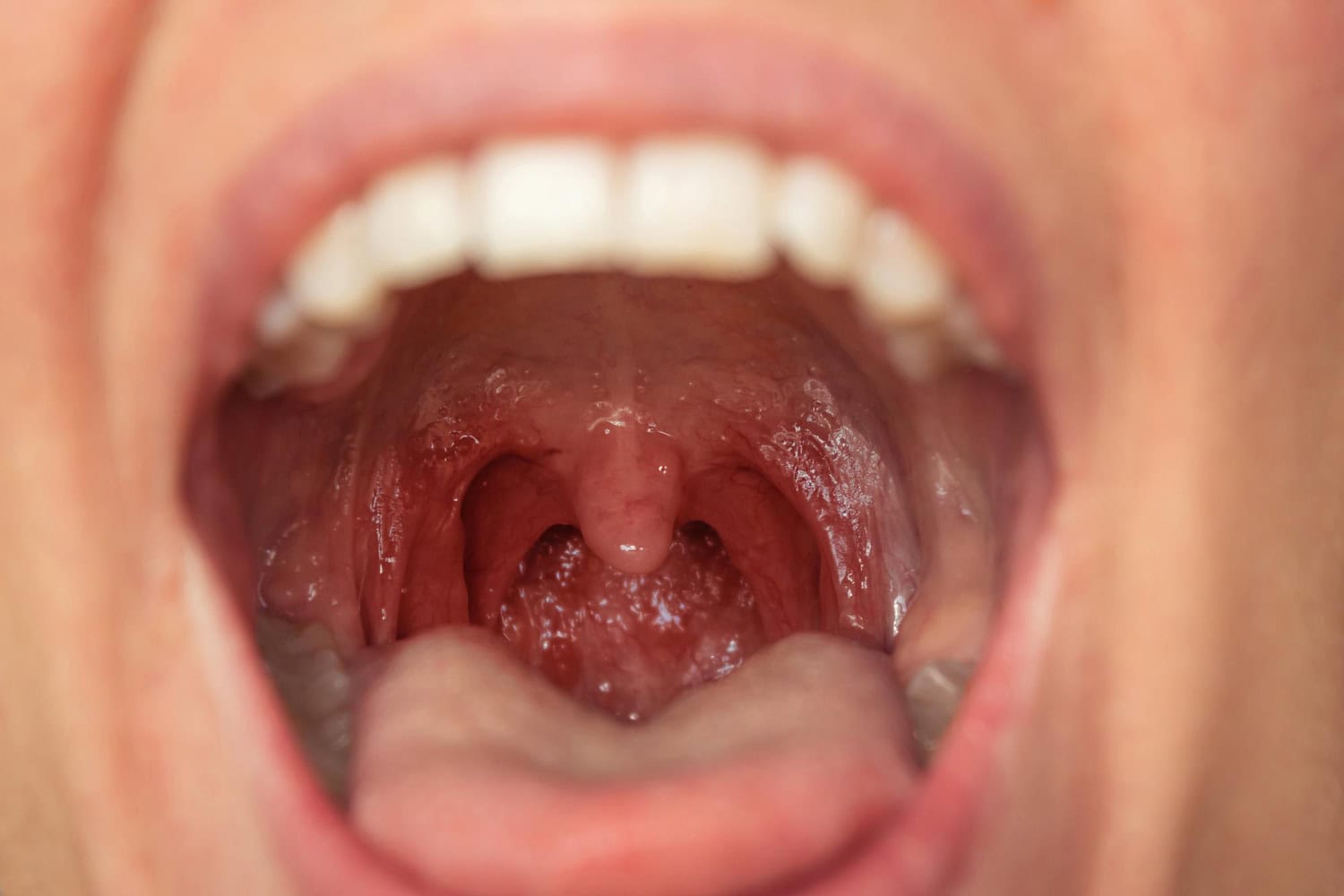
A painful sore throat can make eating, drinking and sleeping difficult. Tonsillitis is an infection that causes the tonsils at the back of the throat to become red and swollen. It is common in children but can affect teenagers and adults too.
Most cases improve with rest, fluids and simple pain relief. Some symptoms need prompt assessment, particularly if swallowing or breathing becomes difficult.
Symptoms of tonsillitis
Tonsillitis causes a sore throat, red or swollen tonsils, white or yellow patches on the tonsils and pain or difficulty swallowing. Other common symptoms include fever, swollen glands in the neck, bad breath, headache, earache and a hoarse or muffled voice.
Common tonsillitis symptoms include:
- Sore throat and painful swallowing
- Red, swollen tonsils
- White or yellow patches on the tonsils
- Fever and swollen neck glands
- Bad breath, headache or earache
- Hoarse or muffled voice
- Tiredness, coughing or feeling sick
Symptoms can vary between individuals. Children may be less active than usual or refuse food and drink because swallowing is painful.
NHS tonsillitis guidance explains that tonsillitis may also cause a high temperature, headache, cough, earache and painful glands in the neck.
Is tonsillitis viral or bacterial?
Most tonsillitis is caused by a virus, such as a cold or flu virus, and clears without antibiotics. It can also be caused by bacteria, including group A streptococcus, which is commonly called strep throat.
A clinician will assess your symptoms and examine your throat to help decide whether a bacterial infection is likely. A throat swab or blood test may sometimes be needed, particularly when symptoms are severe, persistent or suggest glandular fever.
NICE advises that acute sore throat, including tonsillitis, is usually self-limiting and is often triggered by a viral upper respiratory infection. Clinicians may use FeverPAIN or Centor scoring systems to identify people who may be more likely to benefit from antibiotics.
Tonsillitis vs strep throat vs sore throat
Tonsillitis, strep throat and a general sore throat can feel similar. The key difference is that tonsillitis describes inflammation or infection of the tonsils while strep throat is a bacterial infection caused by group A streptococcus.
| Feature | Tonsillitis | Strep throat | Sore throat |
|---|---|---|---|
| What it means | Infection or inflammation of the tonsils | A bacterial throat infection caused by group A streptococcus | A symptom with many possible causes |
| Usual cause | Often viral but sometimes bacterial | Bacterial | Usually viral irritation or infection |
| Typical symptoms | Sore throat, swollen tonsils, painful swallowing and possible white patches | Sudden sore throat, fever, swollen neck glands and tonsil patches | Dryness, scratchiness, pain when swallowing or redness |
| Cough or runny nose | May occur with viral tonsillitis | Usually less likely | Common with colds and viral infections |
| Antibiotics | Only needed in some bacterial cases | May be considered after clinical assessment | Usually not needed |
Strep throat is a type of bacterial tonsillitis. It is more likely to cause fever, swollen neck glands and white patches on the tonsils without a cough. A clinical assessment is important because symptoms alone cannot always identify the cause.
The NHS notes that sore throats are most often caused by viruses but may occasionally be caused by bacteria.
How long does tonsillitis last?
Tonsillitis symptoms usually settle within three to four days but they can last longer. NICE advises that most acute sore throats improve within around one week, with or without antibiotics.
Arrange an assessment if symptoms:
- Do not start to improve within a week
- Keep returning
- Become rapidly worse
- Make it hard to eat or drink
- Affect sleep, work, school or day-to-day life
Repeated infections may need a more detailed ENT assessment. A consultant can discuss whether further investigation or a tonsillectomy procedure could be appropriate.
Is tonsillitis contagious?
Tonsillitis itself is not contagious. However, the virus or bacteria causing it may spread to other people through close contact, coughing or sneezing.
To reduce the chance of passing an infection on:
- Stay at home if you have a high temperature or feel unwell
- Cover coughs and sneezes with a tissue
- Dispose of used tissues promptly
- Wash your hands regularly
- Avoid sharing cups, cutlery or towels while unwell
The NHS advises avoiding contact with others when you have a high temperature or do not feel well enough to carry out usual activities.
When to see a doctor for tonsillitis
Seek medical advice if a sore throat lasts longer than a week, you keep getting throat infections or symptoms are severe enough to make eating and drinking difficult.
Contact NHS 111 or seek urgent medical advice if you have:
- Pus-filled spots on the tonsils
- A very high temperature or feel shivery
- Signs of dehydration such as passing less urine than usual
- A weakened immune system
- Symptoms that are worsening quickly
When tonsillitis may be quinsy
Quinsy is a collection of pus beside a tonsil. It is an uncommon complication of tonsillitis that needs urgent assessment.
Call 999 or go to A&E if you have:
- Severe throat pain that worsens quickly
- Swelling inside the mouth or throat
- Difficulty breathing
- Difficulty speaking
- Drooling or an inability to swallow
- Difficulty opening your mouth
These symptoms can indicate quinsy or another serious throat infection. The NHS advises urgent emergency assessment for these warning signs.
Tonsillitis treatment, including when a tonsillectomy is considered
Tonsillitis treatment aims to ease pain, keep you hydrated and treat bacterial infection where clinically appropriate.
For most viral infections, self-care is enough. This may include:
- Rest
- Cool drinks and soft foods
- Paracetamol for pain or fever
- Ibuprofen if suitable for you
- Warm salty water gargles for adults and older children who can gargle safely
Do not give aspirin to anyone under 16. Check with a pharmacist or clinician before taking medicines if you are pregnant, have a medical condition or take regular medication.
Antibiotics do not help viral tonsillitis. Antibiotics should only be considered according to clinical assessment, including FeverPAIN or Centor criteria, rather than prescribing them routinely.
When is tonsillectomy considered?
A tonsillectomy is surgery to remove the tonsils. It may be considered when recurrent tonsillitis is severe, well documented and has a substantial effect on daily life.
An ENT consultation can help clarify whether surgery is suitable and what recovery may involve. Read more about tonsillectomy recovery.
What to remember about tonsillitis
- Tonsillitis causes sore throat, swollen tonsils and pain when swallowing.
- Most cases are viral and improve without antibiotics.
- Bacterial tonsillitis can include strep throat and may need antibiotics after clinical assessment.
- Symptoms usually improve within three to four days but may last up to a week.
- Difficulty breathing, swallowing or opening the mouth needs urgent assessment.
- Recurrent tonsillitis may warrant review by an ENT specialist.
Tonsillitis FAQs
- Can adults get tonsillitis?
Yes. Tonsillitis is common in children but teenagers and adults can develop it too. Symptoms and treatment are broadly similar across age groups.
- Can tonsillitis cause earache?
Yes. Pain from an inflamed throat or tonsils can be felt in the ear because the throat and ear share some nerve pathways. Earache does not always mean there is an ear infection.
- Can you have tonsillitis without white spots?
Yes. White or yellow patches can occur but are not present in every case. Red, swollen tonsils and a sore throat may still be caused by tonsillitis.
- Does tonsillitis always need antibiotics?
No. Most tonsillitis is viral, so antibiotics will not help. Antibiotics may be considered where a clinician believes a bacterial infection is likely or where someone is at greater risk of complications.
- Can tonsillitis keep coming back?
Yes. Some people have recurrent tonsillitis. If infections are frequent or significantly affect daily life, an ENT specialist can assess the cause and discuss treatment options.